|
IN BRIEF
|
As the crisp air settles in and the mountains don their winter coats, winter hiking transforms the great outdoors into a breathtaking wonderland, beckoning adventure seekers to explore. Whether you’re a seasoned pro or a curious novice, stepping into the snowy wilderness requires careful preparation and the right gear to ensure a safe excursion. From insulated boots that keep your toes warm to strategic layering systems that regulate your body temperature, each piece of equipment plays a crucial role in enhancing your experience. This guide will walk you through the essential items you need for a winter trek, highlighting what to pack to conquer the trails with confidence and style. Gear up, and let’s dive into the captivating world of winter hiking!
Winter Hiking Essentials
Embarking on a winter hike requires comprehensive preparation to ensure both safety and enjoyment. As you navigate snowy terrains, understanding the essentials that will keep you warm, dry, and secure is vital. From the right gear selection to effective layering techniques, this guide serves as a roadmap for your successful winter hiking adventure.
Proper Footwear: The Foundation of Comfort
When it comes to winter hiking, choosing the right footwear is paramount. Your footgear not only needs to provide warmth but also traction to prevent slips on icy surfaces.
Insulated Boots
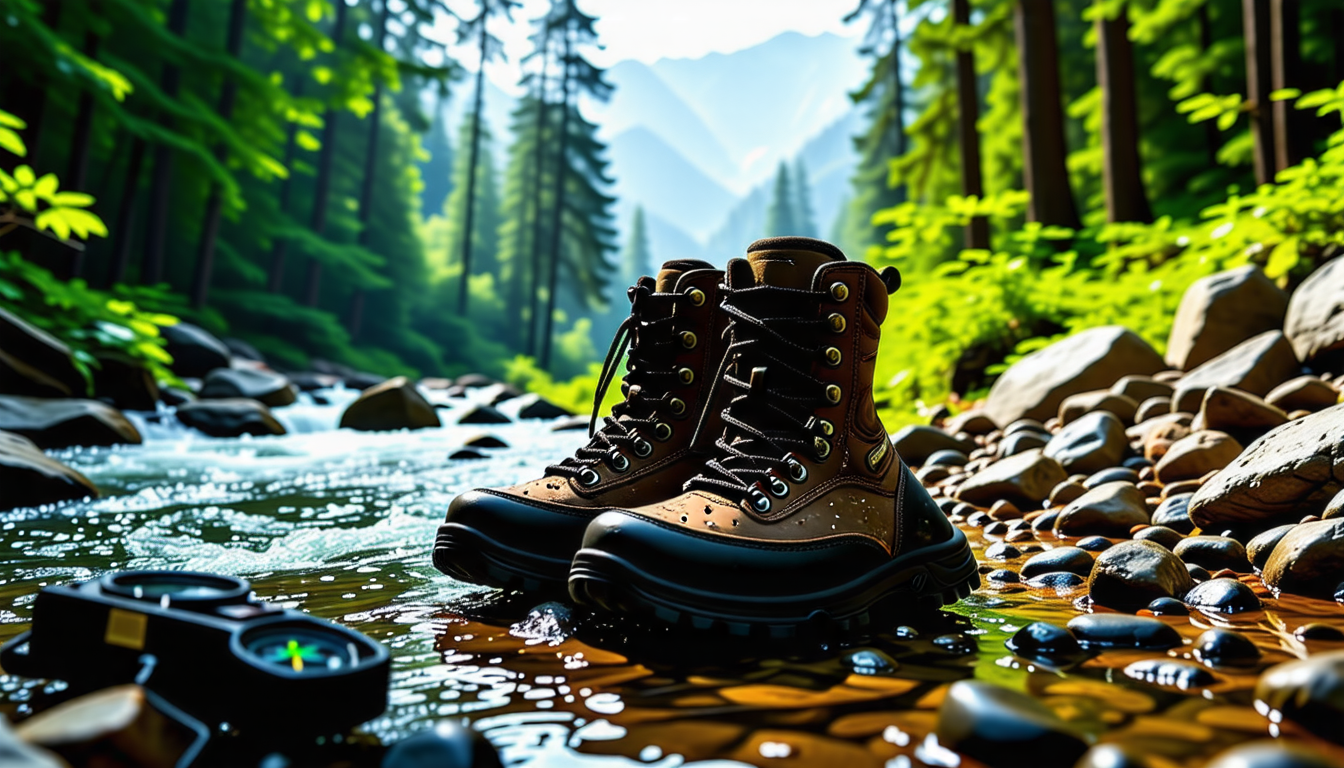
Insulated boots are designed to keep your feet warm even in extreme temperatures. Brands like Columbia and The North Face are known for their high-performance insulated footwear that can withstand harsh conditions. These boots often come with waterproof materials to ensure your feet stay dry while navigating snowy landscapes. Depending on the climate and conditions, consider boots rated for temperatures as low as -20 to -40 degrees Fahrenheit.
Grip-Friendly Boots
Safety is significantly enhanced with grip-friendly boots that feature specialized tread patterns for traction on icy trails. Manufacturers like Merrell and Salomon design boots equipped with advanced traction systems, ensuring stable footing as you trek through snow-covered paths.
Socks and Layering
The importance of high-quality socks cannot be overstated. Opt for moisture-wicking options made from merino wool, such as those offered by Smartwool or Darn Tough. Unlike cotton, these socks wick away sweat while providing insulation, substantially reducing the chances of frostbite or blisters on long hikes.
Clothing Layers: The Key to Thermal Regulation
Understanding how to layer your clothing effectively is essential for maintaining comfort during your winter hike. A systematic layering approach helps you manage body temperature and moisture effectively.
Base Layers
Your base layer acts as the initial barrier between your skin and the colder outside air. Choose lightweight materials such as merino wool or synthetic fabrics that wick moisture away from the body. Products like the Merino Tech Tee from Voormi are excellent choices for their warmth-to-weight ratio without adding bulk.
Mid Layers for Insulation
The mid-layer serves as your primary insulation barrier. Fleece and synthetic jackets are highly effective for this purpose. Options like the Enlightened Equipment Torrid APEX offer lightweight insulation, while jackets such as the Mountain Hardwear Ghost Whisperer provide valuable warmth for extreme conditions. Ensure your mid-layer is adjustable, allowing for easy modification based on activity levels and changing weather.
Outer Layers for Weather Protection
The outer layer is your defense against wind, rain, and snow. Waterproof hardshell jackets are crucial for staying dry during winter hikes. Recommended options include the Enlightened Equipment Visp Rain Jacket for lighter activities and the Arc’teryx Beta AR Jacket for more challenging conditions. Pair your jacket with Zpacks Vertice Rain Pants to maintain overall dryness.
Cold-Weather Accessories
Don’t underestimate the impact of cold-weather accessories. Your extremities are most vulnerable to cold, making proper gear essential to enjoy the outdoors comfortably.
Gloves and Mittens
Thermal gloves keep your hands warm and nimble, while mittens offer superior heat retention. Consider models crafted from insulated materials that keep your fingers warm and fingers dexterous for tasks like snapping photos or adjusting gear.
Beanies and Buffs
Insulating beanies provide warmth and are essential in retaining heat. Neck gaiters or buffs serve dual purposes — they keep warmth around your neck and can also shield your face from biting winds. The flexibility offered by these accessories is invaluable in varying weather conditions.
Sunglasses and Goggles
Protecting your eyes from harsh sunlight reflecting off the snow is crucial. Opt for sunglasses with UV protection, and consider wearing goggles in windy conditions. High-quality options ensure visibility while blocking harmful rays and wind chill.
Backpack Essentials: Carrying Everything You Need
Every winter hiker should have a well-packed backpack containing vital gear for safety and comfort. Make sure your pack is reasonable for the hike length, generally between 35-60 liters for day hikes.
Hydration System
Staying hydrated is just as crucial in winter as it is in summer. Consider using insulated water bottles or hydration systems that prevent freezing. As noted in Hydration Strategies, managing fluid intake can be a game changer during long hikes.
Emergency Gear
Having emergency gear on hand can significantly increase safety on your hike. Include items such as a first aid kit, a multi-tool, and waterproof matches. Ensure you have a compact emergency blanket as well, which can preserve body heat in unexpected situations.
Navigational Tools
It’s essential to remain oriented on winter hikes. Carry a reliable navigation system consisting of a map and compass. Since cell reception is often unreliable in remote areas, ensuring you have traditional navigational tools is vital.
Food and Snack Supplies
Carrying enough food is crucial for maintaining energy levels during hikes. Pack high-calorie snacks such as nuts, protein bars, and dried fruits that are light to carry and provide the necessary energy boost.
Traction Devices to Enhance Safety
In winter, trails can become slick with ice or packed snow, making traction devices imperative for stability.
Microspikes and Crampons
For less challenging trails with packed snow and light ice, microspikes are convenient and lightweight. They attach directly to your hiking boots and provide essential traction. For steeper, icy terrains, consider investing in crampons. They offer superior grip and support for safe navigation.
Trekking Poles
Trekking poles equipped with winter baskets assist with balance and stability on uneven surfaces. They become especially valuable on descents and through challenging terrains, providing additional support.
Preparing for Winter Conditions
It’s important to focus on preparedness when determining your hiking routes based on specific winter conditions.
Understanding Weather Patterns
Before heading out, check forecasts and be aware of possible changing conditions along your route. Knowing how temperatures can drop, coupled with the wind chill factor, aids in making informed decisions about your hike.
Choosing Trails Wisely
Select trails that match your experience level and comfort with winter conditions. Some areas require specialized equipment, such as snowshoes in locations where there’s deep snow, as per the regulations in regions like the High Peaks Wilderness.
Staying Informed About Avalanche Risks
In many areas, especially in mountainous regions, it’s important to be aware of avalanche risks. Familiarize yourself with the local terrain and seasonal conditions, and always check for avalanche advisories if you are planning to hike in regions prone to these risks.
Being Amongst Nature and Staying Safe
While trekking through snow-covered terrains can be breathtaking, consciousness of your environment plays an essential role in ensuring a safe adventure. Being prepared with the right gear can transform your winter hiking experience.
Know Your Group’s Limits
Understanding the experience level of everyone in your group is crucial. If someone starts to struggle, it is often best to halt and reassess plans rather than press on at the expense of safety.
Adjusting Your Route
When hiking, be flexible in adjusting your route based on changing conditions, fatigue levels, or time constraints. It is advisable to adhere to a strict turnaround time to avoid being caught out in the dark.
Always Communicate Your Plans
Share your hiking itinerary with someone who is not joining you. This allows others to know where to look in case of an emergency.
Winter Hiking Checklists
Creating a checklist ensures that you don’t overlook any essentials and helps make your preparations streamlined. Below are vital components to include.
Clothing
- Moisture-wicking base layers
- Insulating mid-layers
- Waterproof outer layers
- Warm socks and gloves
- Thermal beanie and neck gaiter
Gear
- Insulated, waterproof boots
- Proper traction devices (microspikes/crampons)
- Trekking poles
- Emergency gear
Backpack Essentials
- Hydration supplies
- High-calorie snacks
- First aid kit and navigation tools
Maintaining a comprehensive winter hiking checklist not only enhances your safety but also assures that you’re equipped with everything necessary to fully relish the beauty of your surroundings.
With the right preparation and understanding of these critical winter hiking essentials, you can confidently explore the enchanting snowy landscapes while ensuring comfort, safety, and enjoyment throughout your adventure.
When preparing for a winter hike, investing in quality gear can make a significant difference in ensuring a safe and enjoyable experience. First, start with essential clothing layers. A moisture-wicking base layer, insulating mid-layer, and a waterproof outer layer are crucial for regulating body temperature. It’s recommended to choose materials such as merino wool and synthetic fabrics, which effectively wick moisture and retain heat.
Next, focus on your footwear. Quality insulated boots from reputable brands, like Columbia or The North Face, can keep your feet warm and dry, making them vital for tackling cold conditions. In icy terrains, consider using traction devices such as microspikes or crampons, which enhance stability and prevent slips.
Moreover, don’t overlook accessories. Thermal gloves, insulating beanies, and neck gaiters are essential to protect your extremities against harsh wind and cold. By equipping yourself with the right essentials, you can confidently explore the stunning beauty of winter landscapes.
Winter hiking is an exhilarating adventure that requires careful planning and the right gear for safety and comfort. Essential items such as insulated boots, moisture-wicking layers, and traction devices will ensure you stay warm, dry, and stable on icy trails. A well-thought-out layering system will help regulate your body temperature, allowing you to manage perspiration effectively. Additionally, don’t underestimate the importance of cold-weather accessories like gloves, beanies, and neck gaiters, which protect your extremities from the biting cold. Having a comprehensive packing checklist will also guarantee that you are well-prepared for any unexpected situations. By selecting quality gear and being resourceful, you’ll navigate winter landscapes with confidence and enjoy the breathtaking beauty that winter hiking offers.
FAQ
What are the essential items for winter hiking essentials?
R: Essential items include layered clothing, insulated boots, traction devices like microspikes or crampons, thermal gloves, beanies, neck gaiters, trekking poles, a reliable navigation system, and sufficient food and water.
How do I choose the right insulated boots for winter hiking?
R: Look for boots with waterproofing, insulation ratings suitable for low temperatures, and a proper fit that accommodates traction devices without sacrificing comfort.
Why is layering important during winter hikes?
R: Layering is crucial as it allows you to regulate body temperature effectively. By adding or removing layers based on activity levels and weather conditions, you can manage moisture and maintain warmth.
What type of socks should I wear when winter hiking?
R: Opt for socks made from materials like Merino wool as they provide warmth, moisture-wicking properties, and reduce the risk of blisters during long hikes.
What cold-weather accessories are vital for a safe hiking experience?
R: Essential accessories include thermal gloves, insulating beanies, neck gaiters, and sunglasses. These items help protect extremities and face from harsh conditions, ensuring a comfortable and safe hike.